Asking price vs transacted price: why the listing is not the price
Reviewed 26 August 2026. Every figure below names its source at the end.
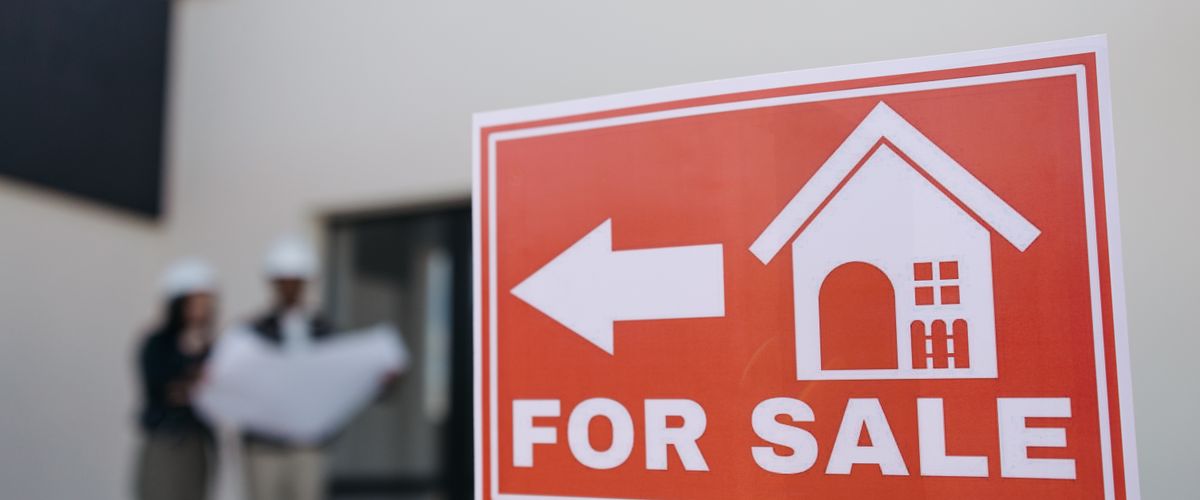
An asking price is what a seller hopes for. A transacted price is what a buyer paid. One is typed into a listing by an agent or owner and can change tomorrow. The other is the consideration in a signed Sale and Purchase Agreement, stamped for duty and recorded by the land office when the transfer is registered. Only the second one is a fact about the home.
Where each number comes from
Transacted.When a sale completes, the SPA price goes to the Inland Revenue Board for stamp duty (on the SPA price, or the valuer's figure if that is higher) and to the land office with the transfer. The Valuation and Property Services Department (JPPH) collects those records and publishes them through NAPIC as open data: state, district, scheme, kind of home, floor area, price, date. It is the only complete record of what homes sell for in Malaysia, and it is what every “sold for” figure on this site is.
Asking. A listing on a portal. It carries no obligation, is not checked by anyone, and is written to leave room. Portals differ: agents list on some, owners and urgent sellers on others, and the same unit can appear on two portals at two prices.
How far apart are they, really?
The stock answer is “a few percent below asking”. The honest answer depends on how you measure.
At the level of a state and a kind of home, the gap is not measurable. What gets listed is not what gets sold. Owners in a hurry and cheap flats crowd the portals; developer completions, low-cost units and kampung lots fill the record without ever being advertised. Put the two medians in a ratio and you measure that difference in mix. In our own tables the ratio swings, state to state, from eleven points under the record to more than double it, for one and the same kind of home. That is a broken comparison, not proof that Kelantan sellers ask twice the price.
Scheme by scheme, it is measurable. Where at least 20 live ads name a scheme outright and the ads are the same kind of home as the sales, the two sides describe the same buildings. Across the 104 schemes that pass that test today, the median ad sits 8% below the scheme’s recorded median, with the middle half of schemes between -15% and +2%. In 70 of the 104, the ads are under the record.
That reads the wrong way round until you remember which portal the ads come from. mudah.my is where owners and urgent sellers list, at prices set to move; a portal agents favour would read differently. We checked the areas, the ad size and the recorded parcel area agree to within 1%, so the difference is the price, not the measure. It is a fact about those ads, reported as read, not a rule about the market.
What to do with the two numbers
- Start from the record. Open the scheme page, read the median and the middle half of recorded sales, and the year-by-year table. That is the range real buyers paid.
- Place the listing inside it.Above the 75th percentile, the seller is pricing a hope; inside the band, the unit’s floor, view and condition decide; below the 25th, ask why.
- Make the offer in ringgit, from the band.A percentage off the asking price anchors on the seller’s number. A price from the record anchors on the buyer’s.
The schemes where ads and the record can be read side by side are listed on the prices pageunder “Where the ad meets the record”.
Sources
- NAPIC open transaction data, JPPH — the transacted side; 469,869 residential sales since 2021, extract published 19 May 2026
- mudah.my for-sale listings — the asking side; 140,755 residential ads read 25 August 2026
- Stamp Act 1949, instruments of transfer are stamped on the consideration or market value, whichever is higher — LHDN guideline, item 32
- BandingHouse methodology, why no gap column at state level